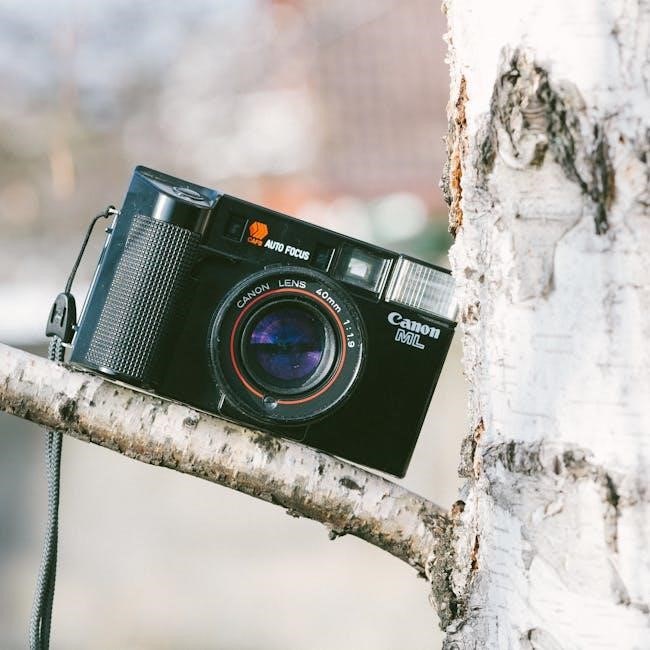
Canon’s EOS 40D, launched in 2007, quickly became a favorite among enthusiasts, offering a robust feature set and excellent image quality․
Numerous resources, including the official Canon user manual (available as a searchable PDF), assist users in mastering its capabilities․
This DSLR provides a stepping stone for photographers seeking advanced control and creative expression, with readily available online support․
What is the Canon EOS 40D?
The Canon EOS 40D is a 10․1-megapixel APS-C DSLR camera introduced by Canon in August 2007․ It represents a significant upgrade over its predecessor, the 30D, offering enhanced features and performance for both amateur and semi-professional photographers․
This camera quickly gained popularity due to its robust build quality, excellent image quality, and user-friendly interface․ A key aspect of understanding the 40D is accessing its comprehensive user manual, readily available as a searchable PDF document online․ This manual details every function, setting, and operational aspect of the camera․
The 40D’s appeal lies in its balance of advanced features and accessibility, making it an ideal tool for learning and mastering DSLR photography․ Resources like online forums and Canon’s official website further support users in maximizing their photographic potential with this versatile camera․
Key Features and Specifications
The Canon EOS 40D boasts a 10․1-megapixel APS-C CMOS sensor, delivering detailed and vibrant images․ It features a 3․0-inch Clear View LCD screen for accurate image review and composition․ Its 9-point autofocus system ensures sharp focus, while continuous shooting at up to 6․5 frames per second captures fast-action sequences․
Crucially, the user manual details the camera’s ISO range (100-3200, expandable to 6400), its various shooting modes, and its extensive customization options․ The 40D supports both Canon EF and EF-S lenses, offering versatility in lens choices․
Other notable specifications include a DIGIC III image processor, a 75-60-75 metering system, and compatibility with Canon’s Speedlite flash units․ Understanding these features, as outlined in the manual, unlocks the camera’s full potential for creative photography․

Getting Started with Your Canon 40D
Begin your photographic journey with the Canon 40D! The official user manual provides essential guidance for unboxing, setup, and understanding core functions․
Unboxing and Initial Setup
Carefully unpack your Canon EOS 40D, verifying all included components: the camera body, battery, battery charger, AC cable, shoulder strap, and essential manuals․ Before proceeding, inspect for any physical damage․ Insert the battery into the compartment, ensuring correct polarity․
Connect the battery charger to a power outlet and fully charge the battery – this is crucial for optimal performance․ While charging, familiarize yourself with the camera’s exterior․
Insert a compatible memory card (CF card) into the designated slot․ The user manual details proper insertion and formatting procedures․ Initial setup involves setting the date, time, and preferred language via the camera’s menu system․ Refer to the comprehensive PDF manual for step-by-step instructions, ensuring a smooth and trouble-free start to your photographic endeavors․
Understanding the Camera Body and Controls
The Canon EOS 40D features a well-organized layout․ The top panel houses the power switch, mode dial (Auto, Program, Aperture Priority, Shutter Priority, Manual), and shutter button․ The rear panel displays the LCD screen, directional buttons, and a control dial for menu navigation;
Familiarize yourself with the Quick Control dial for swift access to key settings․ The 40D’s menu system, detailed in the user manual, allows customization of numerous functions․
Locate the memory card slot, battery compartment, and various ports (AV, USB, remote control)․ Understanding the function of each button and dial, as outlined in the downloadable PDF manual, is vital for efficient operation and unlocking the camera’s full potential․ Practice navigating the menus to become comfortable with its interface․
Inserting and Formatting Memory Cards
The Canon EOS 40D is compatible with CompactFlash (CF) cards․ Locate the card door, typically on the side of the camera, and open it․ Insert the CF card, ensuring it clicks securely into place․ Never force the card!
Formatting a card erases all data, preparing it for optimal performance․ Access the ‘Format’ option within the camera’s menu system – the user manual provides step-by-step instructions․
Formatting ensures compatibility and prevents potential errors․ It’s recommended to format cards in camera rather than on a computer․ Regularly formatting extends the card’s lifespan․ Always back up important images before formatting․ Refer to the official Canon 40D PDF manual for detailed guidance and troubleshooting tips regarding memory card usage․
Basic Camera Operations
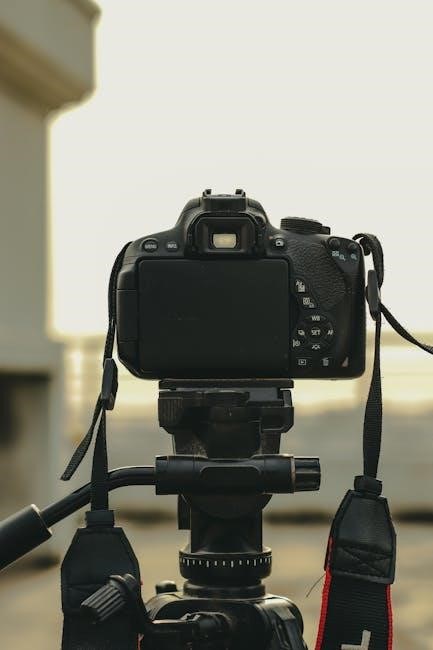
The Canon 40D offers diverse shooting modes – Auto, Program, Aperture Priority, Shutter Priority, and Manual – detailed in the user manual․
Mastering focusing modes (One-Shot, AI Servo, AI Focus) and understanding exposure are crucial for capturing quality images․
Shooting Modes: Auto, Program, Aperture Priority, Shutter Priority, Manual
The Canon EOS 40D provides a range of shooting modes to suit various skill levels and photographic situations, comprehensively explained within the user manual․ Auto mode simplifies operation, letting the camera handle all settings․ Program mode (P) allows for some user control over ISO, white balance, and picture style, while the camera manages aperture and shutter speed․
Aperture Priority (Av) grants control over the lens aperture, influencing depth of field, ideal for portraits or landscapes․ Shutter Priority (Tv) lets you set the shutter speed, freezing motion or creating motion blur․ Finally, Manual (M) mode offers complete creative control over both aperture and shutter speed, requiring a thorough understanding of exposure principles․ The manual details how each mode impacts image results, empowering photographers to achieve their desired aesthetic․
Focusing Modes: One-Shot, AI Servo, AI Focus
The Canon EOS 40D offers three primary autofocus modes, detailed in the comprehensive user manual, each suited to different subjects and shooting scenarios․ One-Shot AF is ideal for stationary subjects; the camera focuses once when the shutter button is half-pressed․ AI Servo AF continuously tracks moving subjects, adjusting focus as they change position – perfect for sports or wildlife photography․
AI Focus AF intelligently switches between One-Shot and AI Servo, attempting to predict subject movement․ The manual explains how to select the appropriate mode based on the scene and how to utilize the 9-point autofocus system effectively․ Understanding these modes is crucial for capturing sharp, in-focus images consistently, and the manual provides clear guidance on their application․
Understanding Exposure: Aperture, Shutter Speed, ISO
The Canon EOS 40D’s user manual dedicates significant attention to mastering exposure, the foundation of photography․ Aperture controls the lens opening, influencing depth of field – a wider aperture (lower f-number) creates shallow depth, blurring backgrounds․ Shutter speed dictates how long the sensor is exposed to light; faster speeds freeze motion, while slower speeds allow more light but risk blur․
ISO measures the sensor’s sensitivity to light; higher ISOs are useful in low light but can introduce noise․ The manual explains the interplay between these three settings, demonstrating how adjusting one impacts the others․ Learning to balance aperture, shutter speed, and ISO is key to achieving properly exposed and creatively compelling photographs with the 40D․

Advanced Features and Settings
The Canon 40D’s manual details customization options, Picture Styles for image toning, and white balance adjustments for accurate colors․
Mastering the metering system ensures optimal exposure in diverse lighting conditions, enhancing photographic control․
Customizing Camera Settings
The Canon EOS 40D user manual extensively covers personalization options, allowing photographers to tailor the camera to their specific shooting styles․ Users can modify Auto Focus behavior, selecting from One-Shot, AI Servo, and AI Focus modes to suit different subjects and scenarios․
Furthermore, the manual details how to customize button functions, assigning frequently used settings to readily accessible controls for quicker adjustments in the field․ Image quality settings, including RAW versus JPEG capture, are thoroughly explained, empowering users to optimize file formats for post-processing flexibility;

The 40D allows for custom function settings, enabling photographers to streamline their workflow․ Menu navigation and display settings can also be adjusted, creating a user interface that perfectly matches individual preferences, ultimately enhancing the shooting experience․
Picture Styles and White Balance
The Canon EOS 40D’s user manual dedicates significant attention to Picture Styles, pre-set image processing algorithms influencing color, contrast, and sharpness․ These include Standard, Portrait, Landscape, Neutral, Faithful, and Monochrome, offering creative starting points․ Users can also create and save custom Picture Styles, fine-tuning parameters to achieve a unique look;
White Balance control is equally detailed, with presets for Daylight, Cloudy, Tungsten, Fluorescent, and Flash․ The manual explains how to utilize custom white balance settings, crucial for accurate color rendition under challenging lighting conditions․
Understanding Kelvin temperature adjustments is also covered, providing precise control over color temperature․ Mastering these features allows photographers to capture images with accurate and pleasing colors, directly impacting the final aesthetic․
Using the Canon 40D’s Metering System
The Canon 40D’s user manual thoroughly explains its three metering modes: Evaluative, Partial, and Center-weighted Average․ Evaluative metering, the default, analyzes the entire scene for balanced exposure․ Partial metering focuses on a smaller area (approximately 6․5% of the frame), ideal for backlit subjects․ Center-weighted Average prioritizes the center of the frame, useful for portraits․
The manual details how to switch between modes and understand their impact on exposure․ It also covers exposure compensation, allowing photographers to override the camera’s metering decisions․
Understanding the relationship between metering mode, aperture, shutter speed, and ISO is crucial for achieving correctly exposed images․ The guide emphasizes utilizing the histogram for accurate exposure assessment and avoiding blown highlights or blocked shadows․
Working with Lenses and Accessories
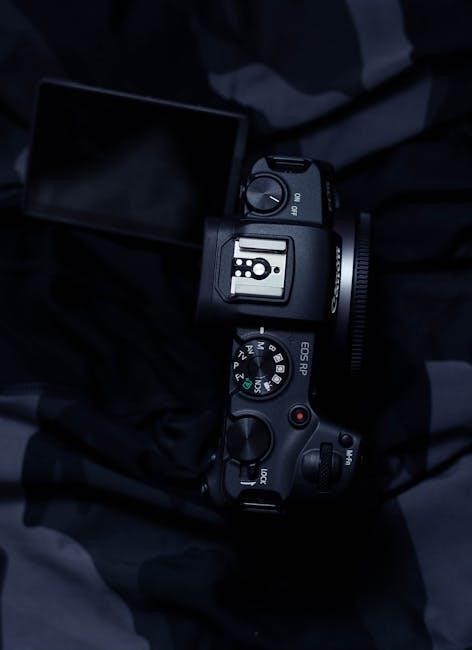
The Canon 40D user manual details compatibility with EF and EF-S lenses, plus external flash units and filters․
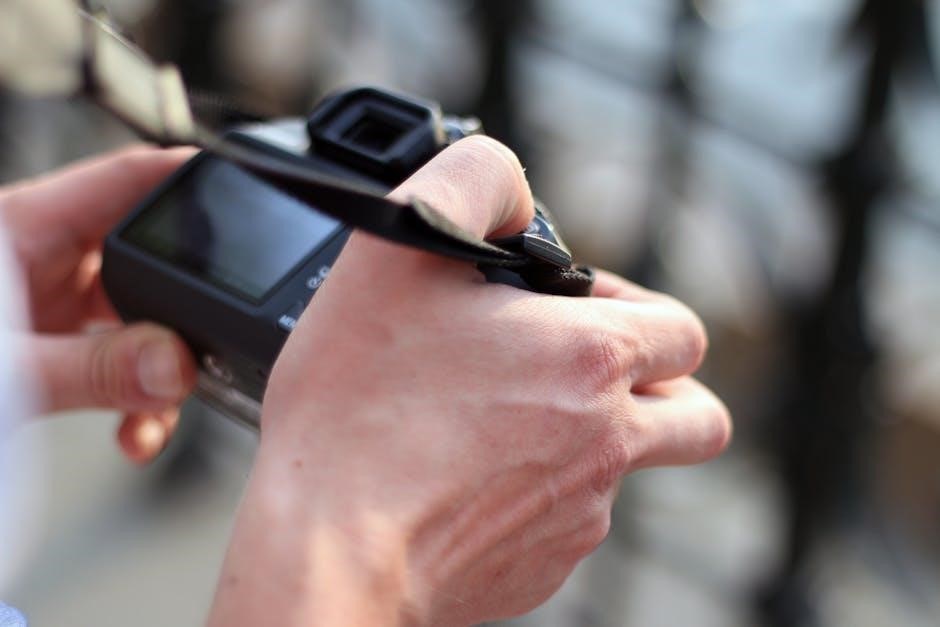
It guides users on proper attachment and optimal usage for enhanced photographic results․
Compatible Canon EF and EF-S Lenses
The Canon EOS 40D, as detailed in its user manual, boasts impressive lens compatibility, accepting both Canon EF and EF-S lenses․ EF lenses, designed for the full-frame 35mm format, offer a wider image circle and can be used seamlessly on the 40D․
EF-S lenses, specifically engineered for Canon’s APS-C sensor cameras like the 40D, provide a more compact and lightweight design, often at a more accessible price point․ The manual emphasizes that using EF-S lenses on full-frame cameras is not possible․
The 40D supports a vast range of lenses, from wide-angle zooms for landscapes to telephoto lenses for wildlife photography, and fast prime lenses for portraiture․ Canon’s official documentation provides a comprehensive list of compatible lenses, ensuring optimal performance and image quality․ Understanding these distinctions, as outlined in the manual, is crucial for maximizing your photographic potential with the 40D․
Using External Flash Units
The Canon EOS 40D’s user manual thoroughly explains utilizing external flash units for enhanced photographic control․ The camera features a hot shoe for direct connection, enabling TTL (Through-The-Lens) flash metering for accurate exposures․ This allows the camera and flash to communicate, automatically adjusting power settings․
The manual details how to access and customize flash settings within the camera’s menu, including high-speed sync (HSS) for overpowering ambient light and flash exposure compensation for fine-tuning brightness․ Wireless flash capabilities are also covered, allowing for off-camera flash setups using compatible Canon Speedlites․
Understanding the various flash modes – Auto, Manual, and TTL – as described in the manual, is key to achieving desired lighting effects․ Proper use of external flash significantly expands creative possibilities beyond the built-in flash limitations․
Understanding Lens Filters
The Canon EOS 40D user manual dedicates sections to understanding and utilizing lens filters, crucial accessories for enhancing image quality and achieving creative effects․ It explains filter threading sizes, ensuring compatibility with your lenses․ Common filter types, like UV filters for lens protection, are detailed alongside polarizing filters for reducing glare and enhancing colors․
The manual clarifies how neutral density (ND) filters reduce light intake, enabling wider apertures or slower shutter speeds in bright conditions․ Graduated ND filters, useful for balancing exposure in landscapes, are also discussed․ Proper filter attachment and cleaning techniques are emphasized to prevent damage․
Understanding filter factors, which indicate light reduction, is vital for accurate exposure․ The manual guides users in selecting the appropriate filters for specific shooting scenarios, maximizing their photographic potential․

Troubleshooting Common Issues
The Canon 40D manual addresses frequent problems like error messages, battery concerns, and image quality issues, offering clear solutions for smooth operation․
It guides users through diagnostics and fixes, ensuring continued photographic success․
Error Messages and Solutions
The Canon EOS 40D’s user manual dedicates a section to deciphering the various error messages that may appear on the LCD screen․ These messages, while initially alarming, often indicate simple, solvable issues․ Common errors include “Err 90” (indicating a shutter mechanism problem, potentially requiring professional service), and card-related errors like “Card is not formatted” or “Card is full”․
The manual provides step-by-step troubleshooting for each error․ For card errors, it suggests reformatting the card within the camera (after backing up data, of course!)․ For other issues, it recommends checking battery levels, lens connections, and attempting a camera reset․ If an error persists despite these attempts, the manual strongly advises contacting Canon support or an authorized service center for professional assistance, avoiding potentially damaging self-repair․
Understanding these error codes and their solutions, as detailed in the manual, can save photographers valuable time and prevent costly repairs․
Battery Issues and Power Management
The Canon EOS 40D utilizes a Canon LP-E4 battery pack, and the user manual provides comprehensive guidance on maximizing battery life and addressing potential issues․ It details the importance of using genuine Canon batteries and chargers to avoid damage or malfunction․ The manual explains how factors like LCD brightness, image stabilization, and live view shooting significantly impact power consumption․
Troubleshooting sections cover scenarios like a battery not charging, displaying a low battery warning, or failing to power on the camera․ Recommendations include verifying the charger’s connection, trying a different outlet, and ensuring the battery contacts are clean․ The manual also advises against exposing batteries to extreme temperatures and suggests removing the battery for extended storage to prevent degradation․
Effective power management, as outlined, ensures uninterrupted shooting during important moments․
Image Quality Problems and Fixes
The Canon EOS 40D’s user manual addresses potential image quality concerns and offers troubleshooting steps․ Common issues like blurry images are linked to incorrect focusing modes or slow shutter speeds, with guidance on selecting appropriate settings․ Noise reduction settings are explained to minimize graininess in low-light conditions, balancing detail preservation with noise control․
Color casts or inaccurate white balance are addressed by detailing the custom white balance feature and Picture Style options․ The manual explains how to adjust these settings for optimal color rendition․ Issues with over or underexposure are linked to metering modes and exposure compensation, providing instructions for achieving proper brightness․
Furthermore, it suggests checking lens cleanliness and ensuring correct image file formats (RAW vs․ JPEG) are selected for desired editing flexibility․
Resources and Support
Canon’s official website provides extensive support, including downloadable manuals and drivers for the 40D․ Online forums and communities offer peer-to-peer assistance․
The searchable PDF user manual is a valuable resource for mastering your camera’s features․
Canon Official Website and Support
Canon U․S․A․, Inc․’s official global website serves as a central hub for Canon EOS 40D support and information․ Here, you can explore Canon’s vision, management strategies, and detailed corporate information, gaining insight into the company’s broader operations․
Specifically for the 40D, the website offers access to the latest drivers, software downloads, and crucially, the comprehensive user manual in PDF format․ This manual is a vital resource for understanding every aspect of your camera, from basic operations to advanced settings․
Canon’s support section also provides troubleshooting guides, FAQs, and contact information for direct assistance․ You’ll find details on product registration, warranty information, and repair services, ensuring your 40D remains in optimal condition․ The site is regularly updated, reflecting Canon’s commitment to customer satisfaction․
Downloading the Canon 40D User Manual (PDF)
Accessing the official Canon EOS 40D user manual in PDF format is straightforward and highly recommended for all users․ Several online resources provide direct download links, ensuring you have a readily available, searchable guide at your fingertips․
The PDF manual comprehensively covers every feature and function of the 40D, from initial setup and basic shooting modes to advanced customization options and troubleshooting tips․ It’s a valuable tool for both beginners and experienced photographers․
Unlike scanned versions, the official PDF is fully searchable, allowing you to quickly locate specific information․ Canon provides this resource to enhance the user experience and empower photographers to maximize their 40D’s potential․ Having this manual readily available streamlines learning and problem-solving․
Online Forums and Communities
Beyond the official Canon resources, a vibrant network of online forums and communities dedicated to the EOS 40D offers invaluable support and shared knowledge․ These platforms connect photographers of all skill levels, fostering a collaborative learning environment․
Users frequently share tips, tricks, and solutions to common issues encountered while using the 40D․ Discussions range from lens recommendations and shooting techniques to advanced settings and post-processing workflows․
These communities are excellent places to ask questions, receive personalized advice, and discover new ways to utilize your camera․ Experienced 40D users often contribute detailed tutorials and insightful perspectives, supplementing the official user manual and accelerating your photographic journey․